鵜住居虎舞
うのすまいとらまい
Unosumai Toramai|Unosumai Youth Association
所在地 : 岩手県釜石市 鵜住居町
種別 : シシ芸
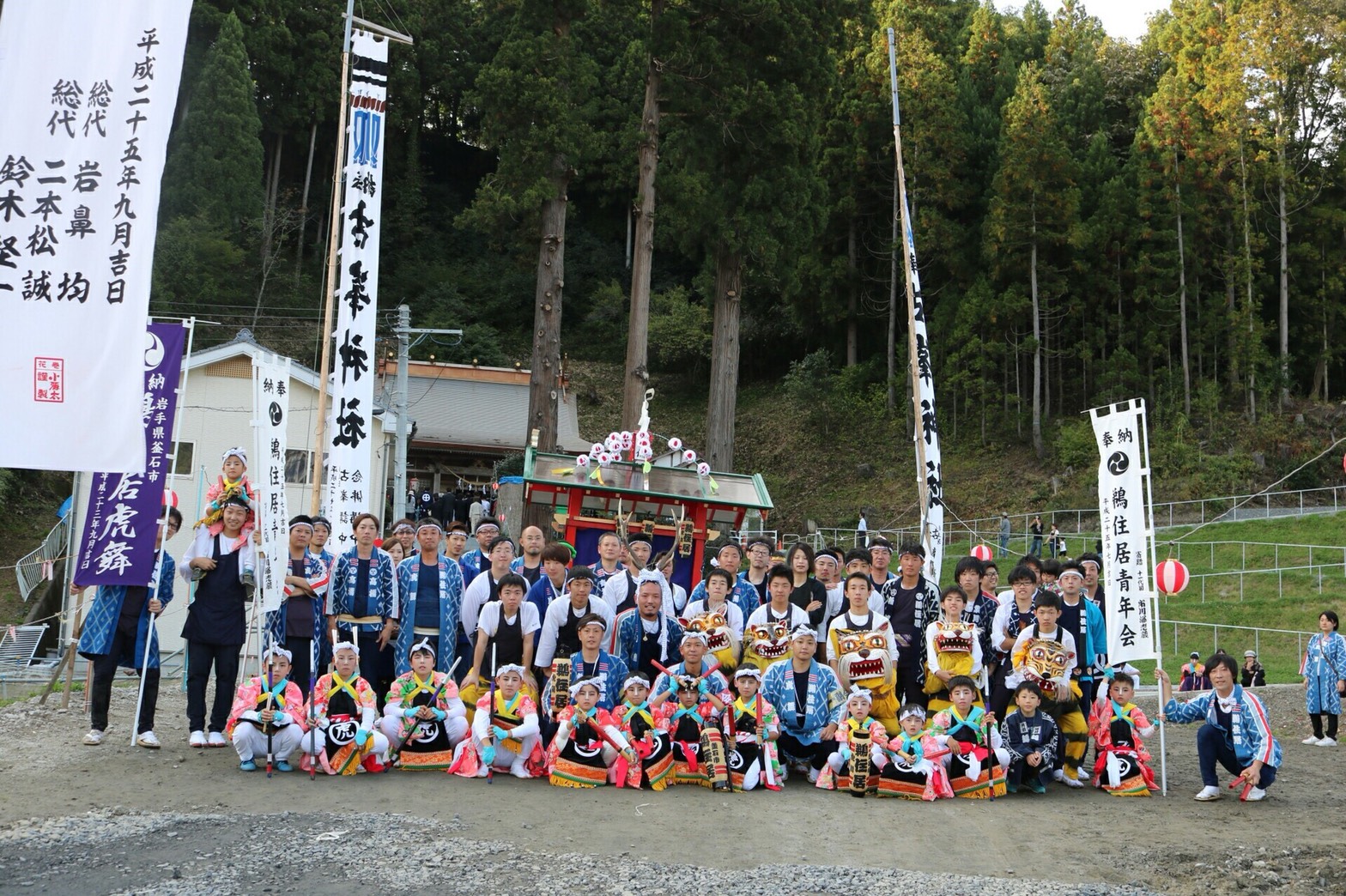
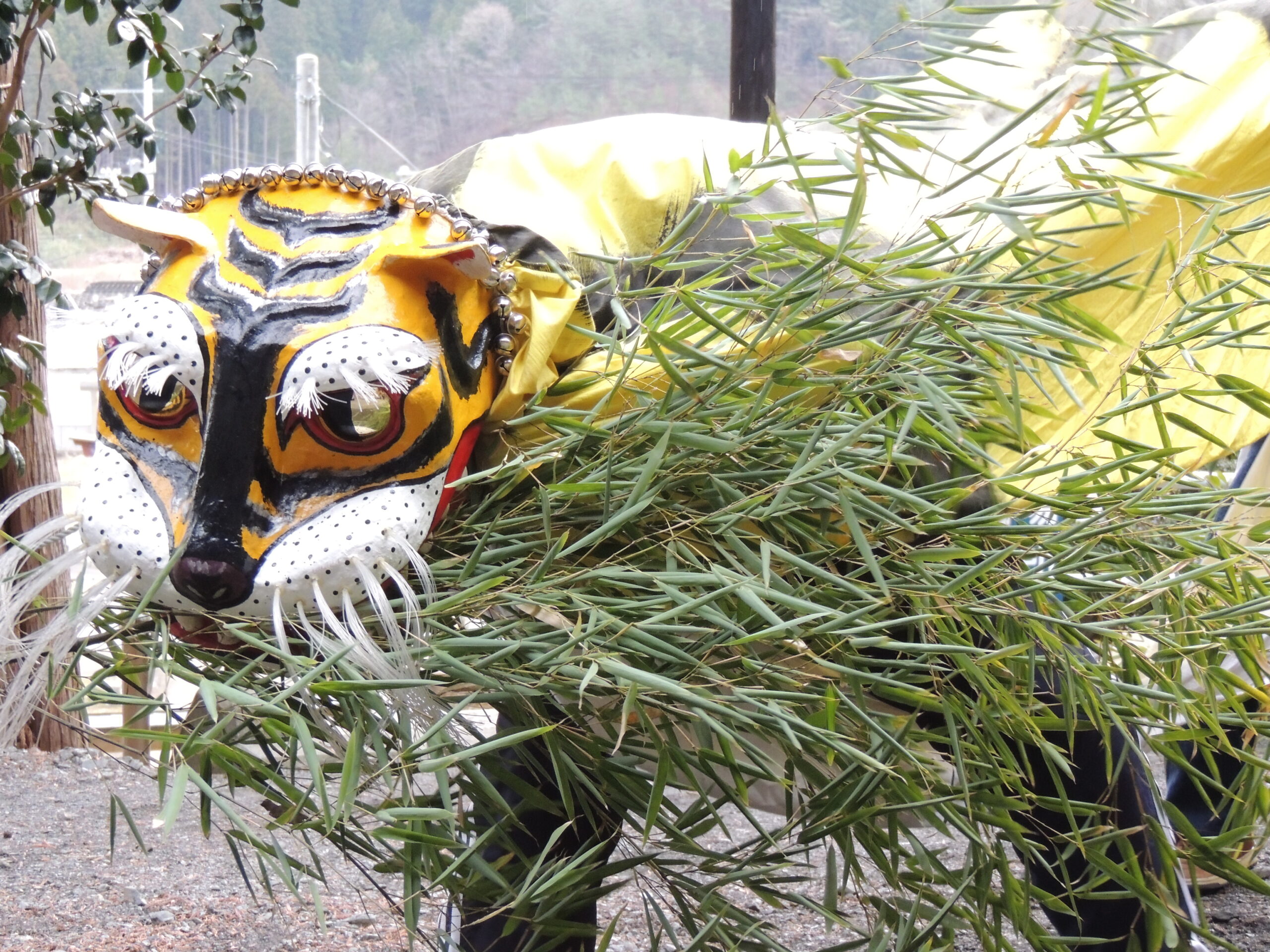
鵜住居虎舞は、江戸時代中期に岩手県沿岸上閉伊郡より伝わったとされます。当地の祭礼に奉納される太神楽の拍子を取り入れたように思われる趣きを持ち、虎頭は優雅で「雌虎」といわれます。また、手踊りの演目が多いのが特徴です。鵜住(うのすみ)神社に奉納する舞であり、鵜住神社祭典には御神輿の御供として参加しています。昭和中期頃まで「若者會」により継承していましたが、その後「鵜住居青年会」が継承しています。江戸時代中期に上閉伊郡より伝わったとされています。平成24年、釜石虎舞の一つとして、市の無形文化財に指定。

Unosumai Toramai is said to have been introduced from the Kamihei District along the Iwate coast in the mid-Edo period. It appears to incorporate the rhythms of Daikagura (sacred Shinto music and dance) dedicated at local festivals, and the tiger head is elegant and is referred to as a “female tiger.” Another characteristic is the large number of hand-dance performances included in the repertoire. Unosumai Toramai is dedicated to Unosumi Shrine and participates in the schrine’s festival as an escort for the portable shrine (mikoshi). Until the mid-Showa period, it was passed down by the local youth association called Wakamonokai, and has since been carried on by the Unosumai Seinenkai (Unosumai Youth Association). In 2012, Unosumai Toramai was designated as an Intangible Cultural Property of Kamaishi City as one of the Kamaishi Toramai